

Introduction & Background
Fashion is more than just clothing. It is a powerful form of self-expression, a reflection of culture, and a driver of innovation. As we move forward, the world of fashion continues to evolve at a rapid pace, blending technology, sustainability, and creativity into bold new directions. Today’s trends are not merely about aesthetics. They tell stories of societal shifts, environmental consciousness, and the relentless pursuit of individuality. Understanding where fashion is headed allows us to appreciate the artistry behind each stitch and the vision behind every collection.
The significance of fashion trends lies in their ability to influence not only what we wear but also how we live. From the runways of Paris to the streets of Tokyo, designers and consumers are redefining the boundaries of style. Trends today are shaped by a mix of digital culture, global connectivity, and a growing demand for authenticity. As we stand on the brink of a new era, it is essential to explore the emerging trends that will define tomorrow’s wardrobe.
Concept & Overview
The concept of “Fashion Forward” encapsulates the idea of looking ahead, embracing change, and anticipating the next wave of style. It is about recognizing the pulse of the industry and translating it into wearable art. Fashion forward trends are not random. They are curated expressions of collective desires, technological advancements, and cultural narratives.
At its core, fashion forward thinking involves a balance between tradition and innovation. It encourages designers to experiment with materials, silhouettes, and techniques while staying rooted in craftsmanship. The movement also places a strong emphasis on sustainability, urging the industry to adopt practices that minimize environmental impact and promote ethical production. By understanding the principles behind these trends, we gain insight into the future of style and how it will shape our daily lives.
Key Features & Highlights
- Sustainable Materials: The shift toward eco-friendly fabrics such as organic cotton, recycled polyester, and biodegradable textiles is gaining momentum. Brands are prioritizing materials that reduce waste and carbon footprints while maintaining quality and style.
- Gender-Fluid Designs: Traditional boundaries of men’s and women’s fashion are dissolving. Designers are creating unisex collections that challenge norms and celebrate individuality, allowing wearers to express themselves freely.
- Digital Integration: Technology is revolutionizing fashion through virtual try-ons, augmented reality shopping experiences, and blockchain-based authenticity verification. These innovations enhance convenience and personalization for consumers.
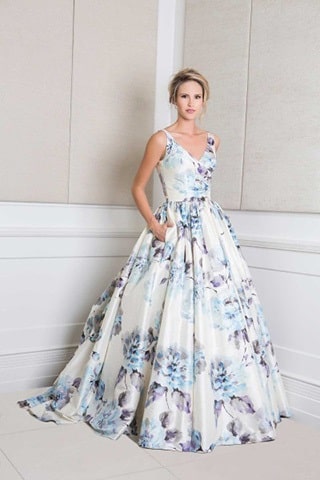
- Bold Colors & Prints: Vibrant hues, clashing patterns, and maximalist designs are taking center stage. Expect to see unexpected color combinations and graphic prints that make a statement.
- Upcycled & Thrifted Fashion: The resale market is booming, with consumers embracing secondhand clothing as a sustainable and stylish choice. Thrifting and upcycling are no longer niche trends but mainstream movements.
- Functional Aesthetics: Fashion is merging with utility, with clothing that incorporates pockets, adjustable fits, and versatile designs. This trend caters to the modern lifestyle that values both form and function.
- Cultural Fusion: Designers are drawing inspiration from diverse cultures, blending traditional motifs with contemporary styles. This fusion creates unique, globally inspired pieces that resonate with a wide audience.
Frequently Asked Questions / Pros & Cons
What defines a fashion forward trend?
A fashion forward trend is characterized by its ability to break conventions and set new standards in style. It often emerges from the intersection of innovation, cultural shifts, and consumer demand. Trends that are forward-thinking anticipate future preferences rather than simply following past ones. They incorporate elements such as sustainability, digital integration, and inclusivity to create a lasting impact.
How can I incorporate these trends into my wardrobe without compromising personal style?
Start by identifying which trends resonate most with your personality and lifestyle. Rather than adopting a trend wholesale, consider how it can complement your existing wardrobe. For example, if bold colors appeal to you, incorporate them through accessories or statement pieces. Mixing trends with classic staples ensures a balanced and authentic look.
Are sustainable fashion trends here to stay?
Yes. The demand for sustainable fashion is not a passing phase but a fundamental shift in consumer values. As awareness about environmental issues grows, more people are seeking out brands that prioritize ethical practices. This trend is supported by advancements in eco-friendly materials and circular fashion models, making sustainability a permanent fixture in the industry.
What are the challenges of following fashion forward trends?
One of the main challenges is the fast pace of trend cycles, which can lead to overconsumption and waste. Additionally, trends that rely heavily on technology or new materials may come with higher price points, making them less accessible. There is also the risk of trends becoming overly commercialized, losing their original creative intent. Balancing trend adoption with mindful consumption is key to navigating these challenges.
How do digital innovations impact fashion trends?
Digital innovations are transforming how trends are created, shared, and consumed. Social media platforms allow trends to spread globally in real time, while virtual reality and augmented reality enhance the shopping experience. Blockchain technology is being used to verify the authenticity of luxury items, reducing counterfeiting. These advancements democratize fashion, making it more interactive and personalized for consumers.
Practical Guidance & Solutions
Adopting fashion forward trends does not have to be overwhelming. Begin by curating a capsule wardrobe that blends timeless pieces with a few trendy items. This approach ensures versatility and longevity in your style. When shopping, prioritize quality over quantity, investing in pieces that are well-made and ethically produced.
For those interested in sustainable fashion, explore brands that offer transparency in their supply chains. Look for certifications such as Fair Trade or GOTS (Global Organic Textile Standard) to ensure ethical practices. Thrifting and swapping clothes with friends are also great ways to refresh your wardrobe without contributing to textile waste.
To stay updated on trends, follow fashion influencers and designers who align with your aesthetic but avoid blindly following every new release. Use digital tools like virtual try-on apps to experiment with styles before making purchases. Finally, remember that personal expression is at the heart of fashion. Trends should enhance your individuality, not define it.
Conclusion
The future of fashion is bright, bold, and brimming with possibilities. As we embrace sustainability, technology, and inclusivity, the trends of tomorrow promise to be as diverse as the people who wear them. Fashion forward is not just about looking ahead. It is about creating a future where style and responsibility coexist harmoniously.
By staying informed, making mindful choices, and expressing our unique identities, we become active participants in shaping the fashion landscape. So, step into tomorrow with confidence, and let your wardrobe tell a story of innovation, creativity, and purpose. The runway is yours to own.


More Stories
The Future of Fashion: Emerging Trends Shaping 2025 and Beyond
The Future of Fashion: Where Technology Meets Style and Sustainability
Decoding the Runway: How Global Fashion Trends Are Redefining Beauty, Identity, and Sustainability in 2024