
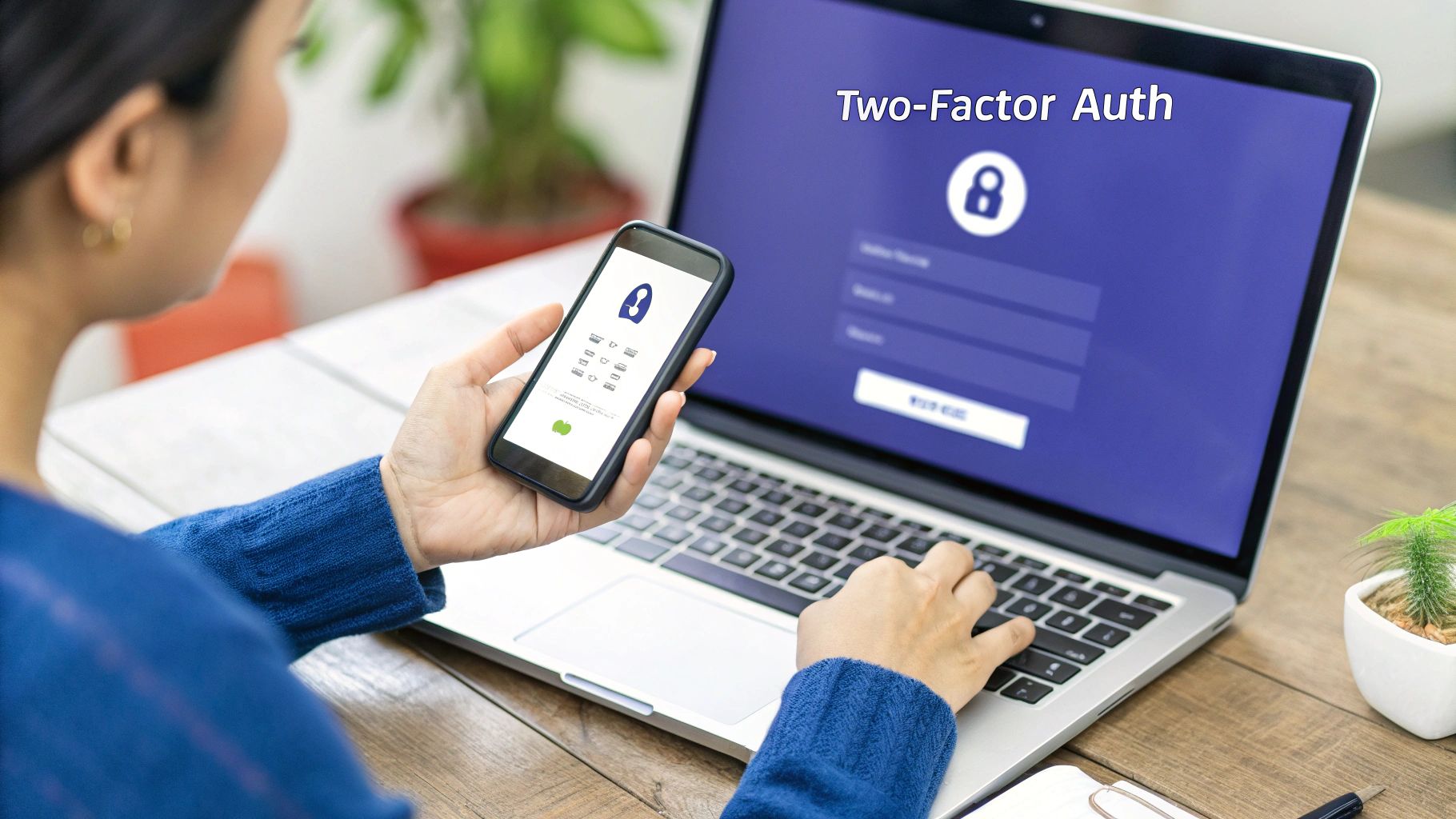
Account takeover fraud across online gaming platforms increased by roughly 34% between 2022 and 2024, according to cybersecurity firm Sift’s annual fraud index. That figure explains why multi-layered login protection is no longer optional. A strong password covers one attack vector; a compromised credential database covers another entirely. The gap between those two realities is exactly where two-factor authentication sits.
Pinco Casino addresses that gap with TOTP-based 2FA, the same time-based one-time password standard used by financial institutions globally. Authenticator apps such as Google Authenticator or Authy generate a six-digit code tied to a shared secret, refreshing on a 30-second cycle. Because the code expires before most automated interception tools can relay it, a stolen password alone cannot open the account.
How to Enable 2FA on Your Account
The setup process starts inside the account security panel, accessible after standard login. From there, selecting the authentication option generates a QR code that any TOTP-compatible app can scan. Once scanned, the app begins producing codes synchronized to the platform’s server clock. Players at Pinco kazino should confirm the first generated code before finalizing setup, as a clock mismatch of even a few seconds can cause immediate verification failures. That confirmation step is built into the flow precisely to catch sync errors before they become a lockout problem.
Pinco’s 30-second code refresh interval matters practically: even if someone captures a valid code through a phishing attempt, the window to use it is narrow enough that automated replay attacks fail under realistic network conditions. After enabling 2FA, the casino also delivers a set of single-use backup codes. Storing these offline, separate from the primary device, is the single most important step most players skip, and the one that determines whether recovery is fast or slow.
Understanding the Lockout and Waiting Period Policy
The platform enforces a five-failed-login lockout: five consecutive incorrect attempts freeze the account until identity is confirmed. This threshold is tight by design. After triggering it, there is also a mandatory 15-minute wait before reattempting access or escalating to the 24/7 support team. That cooling-off window blocks credential-stuffing scripts, which typically cycle through thousands of combinations per minute. The two controls together, hard lockout plus time delay, mean brute-force attacks stall well before they reach any useful number of attempts.
Managing Trusted Devices and New Device Verification
Device binding at Pinco runs alongside 2FA rather than replacing it. Registering a trusted device records a device fingerprint linked to the account. On any subsequent login from that device, authentication is smoother, though the 2FA prompt still applies. Where the system becomes noticeably stricter is when a new, unrecognized device attempts access: it triggers both a 2FA prompt and a dedicated device verification check before entry is granted. That dual-check design means a session cookie stolen from one device cannot simply be replayed on another.
Managing the trusted device list is worth doing periodically. Devices that are sold, lost, or no longer in use should be removed from the approved list through the account settings panel. Each removal forces the next login from that device through the full fresh-verification sequence. Keeping the list accurate reduces the surface area available to anyone who gains physical access to an old device.
Recovering Access Without Losing Bonus Progress
Losing access to the authenticator app, whether through a broken phone or a factory reset, is one of the more stressful situations a player can face mid-promotion. Pinco’s manual reset process requires a government-issued ID and a selfie for identity confirmation. Once support validates both, the account is restored with its standing intact, including active bonuses and wagering progress. No progress counter resets during a legitimate identity-verified recovery. The process takes longer than a standard login but produces a clean security state: the old 2FA binding is revoked and a new setup begins from scratch.
A few preparation steps significantly reduce recovery time if the situation ever arises. Consider keeping the following ready before you need them:
- Offline copy of the backup codes issued during 2FA setup
- Government-issued photo ID stored accessibly but securely
- A recent selfie saved for quick submission to support
- The registered account email, accessible independently of the gaming device
Having those items ready means a support request can be resolved in one exchange rather than several days of back-and-forth gathering documents. Bonus expiry timers do not pause during the recovery window, so speed in submitting complete documentation directly affects how much wagering progress remains usable afterward.
Why 2FA Integrates With Broader Account Security
Two-factor authentication is most effective as one layer inside a wider security posture, not as a standalone fix. At Pinco, it works in combination with the lockout policy, device binding, and the identity verification framework already required for withdrawals under standard KYC rules. Each layer addresses a different attack type: 2FA blocks credential-based access; device binding blocks session hijacking; lockout thresholds block automated guessing. Together they form a defense model that matches the threat landscape facing online gaming accounts in 2024, where credential breach databases containing billions of username-password pairs are publicly available and actively used.



More Stories
The Next Big Thing: Fashion and Beauty Trends That Will Dominate in 2024
Glow Up, Step Up: Effortless Fashion and Beauty Hacks for Every Day
10 Unexpected Beauty Products That Will Transform Your Fashion Game